Pioneer Settler Moses Gentry and the Legacy of Enslavement in Marion County
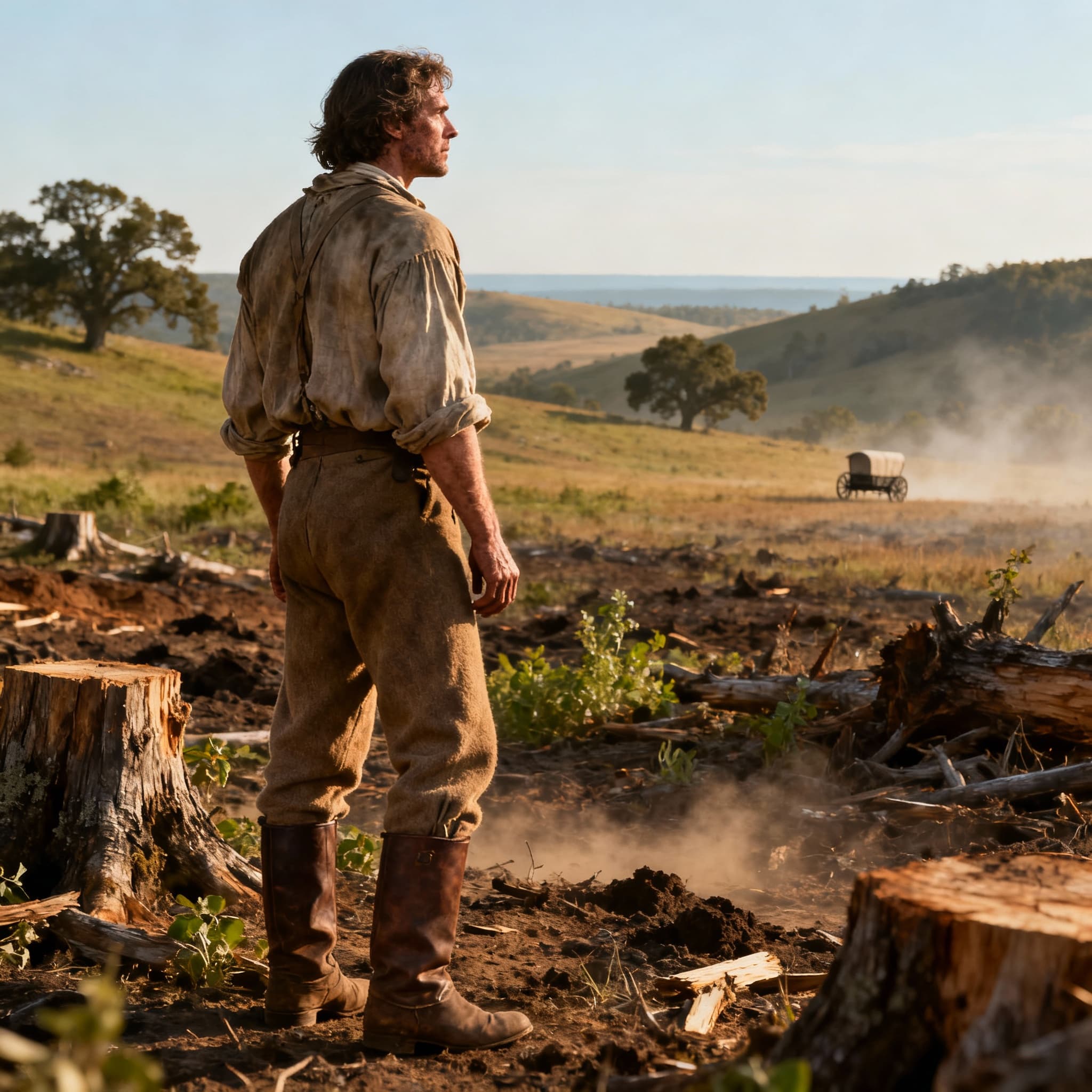
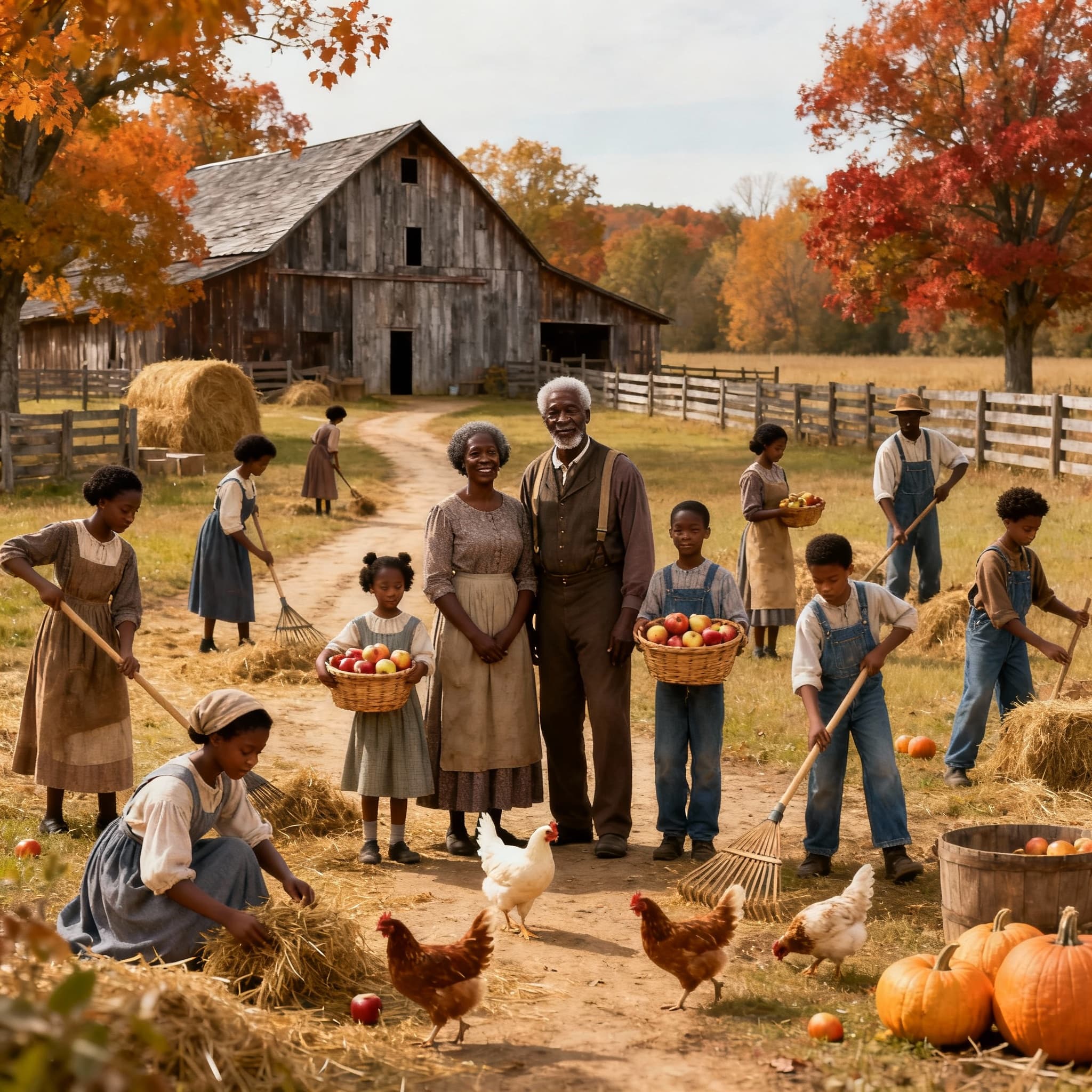
PALMYRA, Mo. — In 1825, 27-year-old Moses Gentry journeyed from Virginia to the Missouri frontier, settling in Marion County's South River Township. He obtained an 85-acre land grant located in Township 59 West, Range 6 West, Section 23. Following the customs of the time, Gentry forcibly brought enslaved people with him to transform the wild landscape into productive farmland. Together, Gentry and the individuals he enslaved were pioneers in the region's agricultural development.
In Missouri, Gentry built a family foundation. He wed Nancy Vanlandingham on March 1, 1831, in Marion County. The 1840 federal census listed 16 people in his home, including nine enslaved individuals. After Nancy's passing, the 1850 census showed him married to Ann P. Gentry, with his 89-year-old mother, Elizabeth, also in residence.
Their offspring were James N. Gentry (1831), Fanny Gentry (circa 1834), Lewis H. Gentry (about 1835), Sarah E. Gentry (around 1838), and Ann E. Gentry (approximately 1841). The youngest daughter, known as Annie, wed P.B. Foreman and died in November 1921. Gentry steadily increased his property, eventually operating what locals viewed as a sizable plantation.
Born into Bondage: The Story of Martha Tate
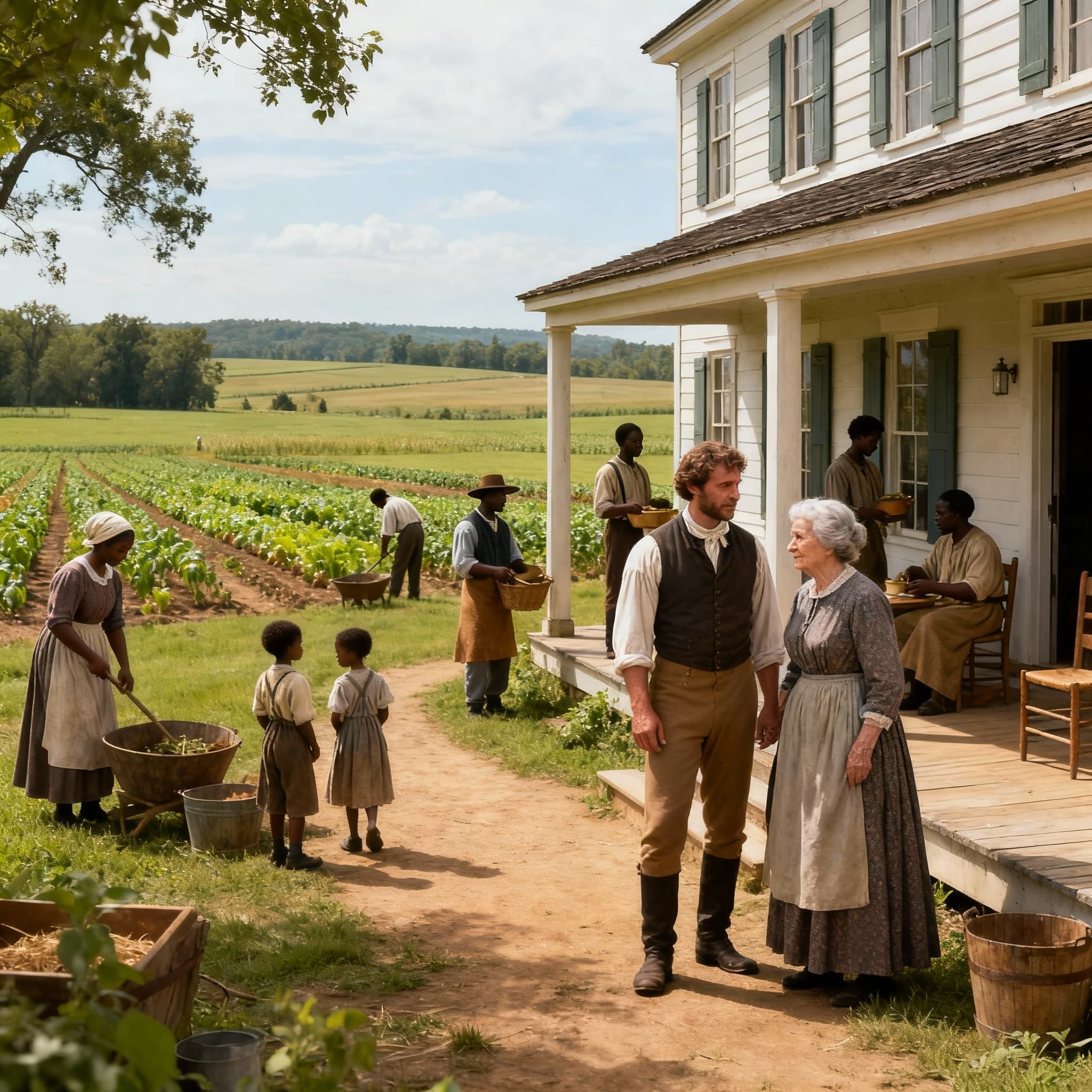
On Gentry's farm near West Ely, Martha Tate was born into slavery. As one of the area's final links to that institution, she passed down her history to her descendants, details echoed in her obituary from the Quincy Daily Herald on July 2, 1921:
“Mrs. Tate was one of the last colored women in this part of the country who was born in slavery. She was born in Marion County, Missouri, near West Ely, on the plantation of Mose Gentry.”
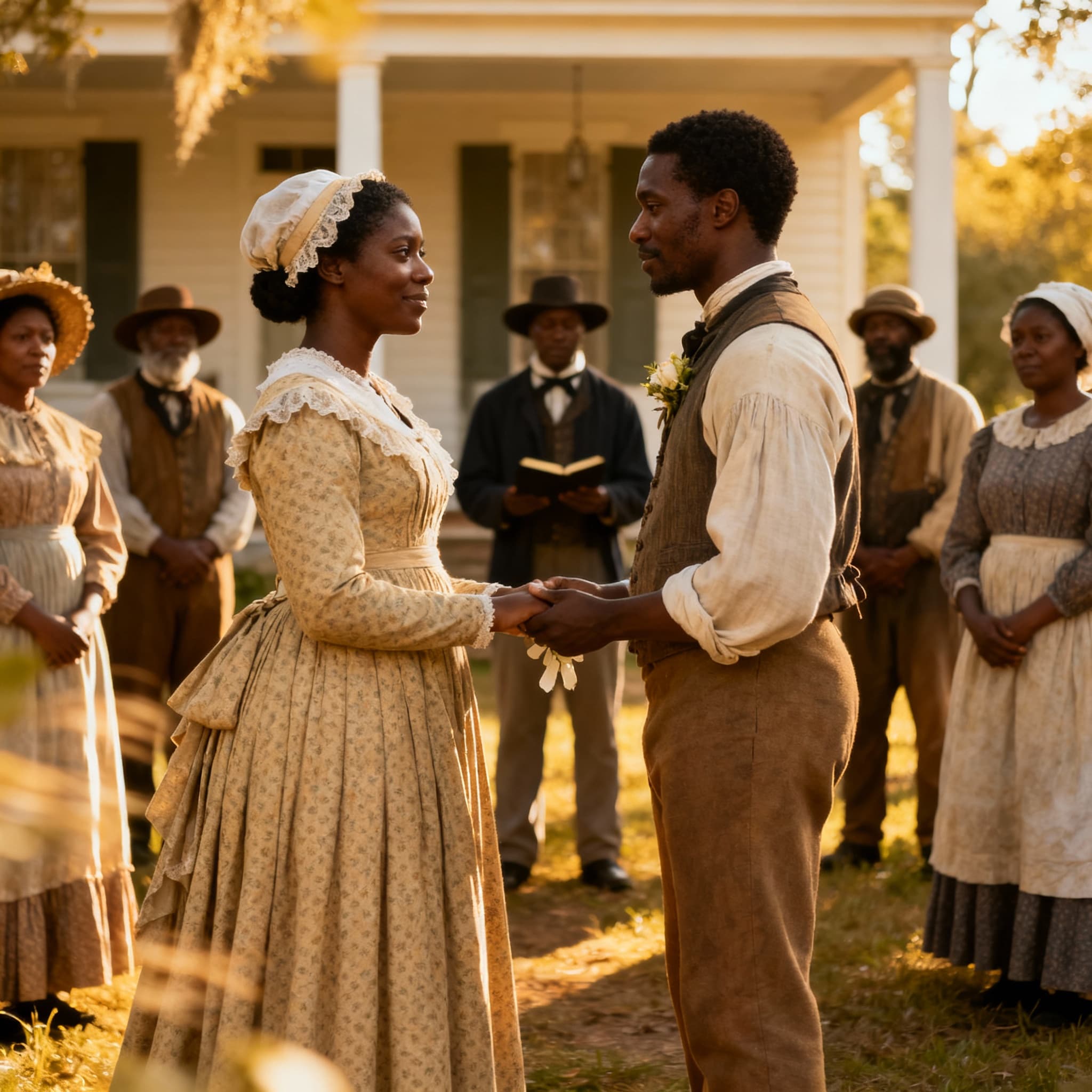
During the Civil War in 1863, she married Isaac Tate, born circa 1835 and formerly enslaved by William Caldwell in South River Township. Caldwell, a Kentuckian born in 1826, wed Mary Ann Sites in 1848 and Mary A. Church in 1853, siring 14 children total, per genealogical sources like Ancestry.com. His 1860-census entry noted ownership of nine enslaved persons.
The Tates built a sturdy family, raising 11 children: Eliza (about 1860), Nancy (about 1862), Laura (about 1864), Mary J. (about 1867), Bebe (about 1868), Charity (1873), Joseph (1874), Martha (1875), Lucy (1877), and William (1878). The 1900 census indicated seven were still alive then.
Illiterate themselves, the couple ensured their children's schooling. By 1900, they owned an unencumbered farm in South River Township, their home for 37 years, shared with son William (a laborer) and granddaughters Nettie and Elsie Webb.
Isaac died around 1908. In 1910, Martha joined William's household, one of her five living grown children.
Inheritance Dispute: A Daughter's Legal Fight
In 1913, Laura Tate Robinson launched a partition action to sell Isaac's 90-acre estate and split the earnings among heirs. The land, southwest of West Ely, was detailed as: “The north half of the southwest quarter of the southwest quarter of section 28 and the east half of the southwest quarter of said section 28, all in township fifty-seven of range six west, except the southeast quarter of the northeast quarter of the southwest quarter of said tract.”
“The court ruled in favor of the partition, leading to the sale of the family farm. That farm later became Edward Robinson Cemetery named after Arthur's father.”
The judge sided with her, resulting in a February 1914 courthouse sale to Dudley Hutcherson and W. P. Johnson for $2,300.
Crafting a Lasting Heritage: Founding Robinson Cemetery
Post-Martha's death in 1922, the Robinsons bought property from Elisha W. and Melissa Capp, developing it into Robinson Cemetery for African Americans excluded from segregated burial sites.
East of Hannibal's Elzea addition — bounded by Clark Street to the north, Robinson Street to the south, and once beyond city bounds (now incorporated) — initial plot buyers included George Bell, William Webster, Nelson Query, Mrs. Lottie Johnson, Elizabeth and Rosalie Jones, Jesse Letcher, W.R. Herrington, John Hueston, Mrs. Warren Clay, Nathan Holman, Mabel Sanders, Chas Settles, James Johnson, John Miles, Robert Tayler, Dr. O.C. Queen, James Starks, Sylvester Robinson, A.L. Robinson, Emma Jackson, Mrs. Maggie Nickens, Howard Williams, Artemas McFadden, James Henderson, Nelson Crow, Laura Hughs, Tom Allen, Andrew Tyler, Benjamin Morrison, Mrs. Henry McElroy, Sonnie Britts, Mrs. Lizzie Newberry, and Arthur Morrison.
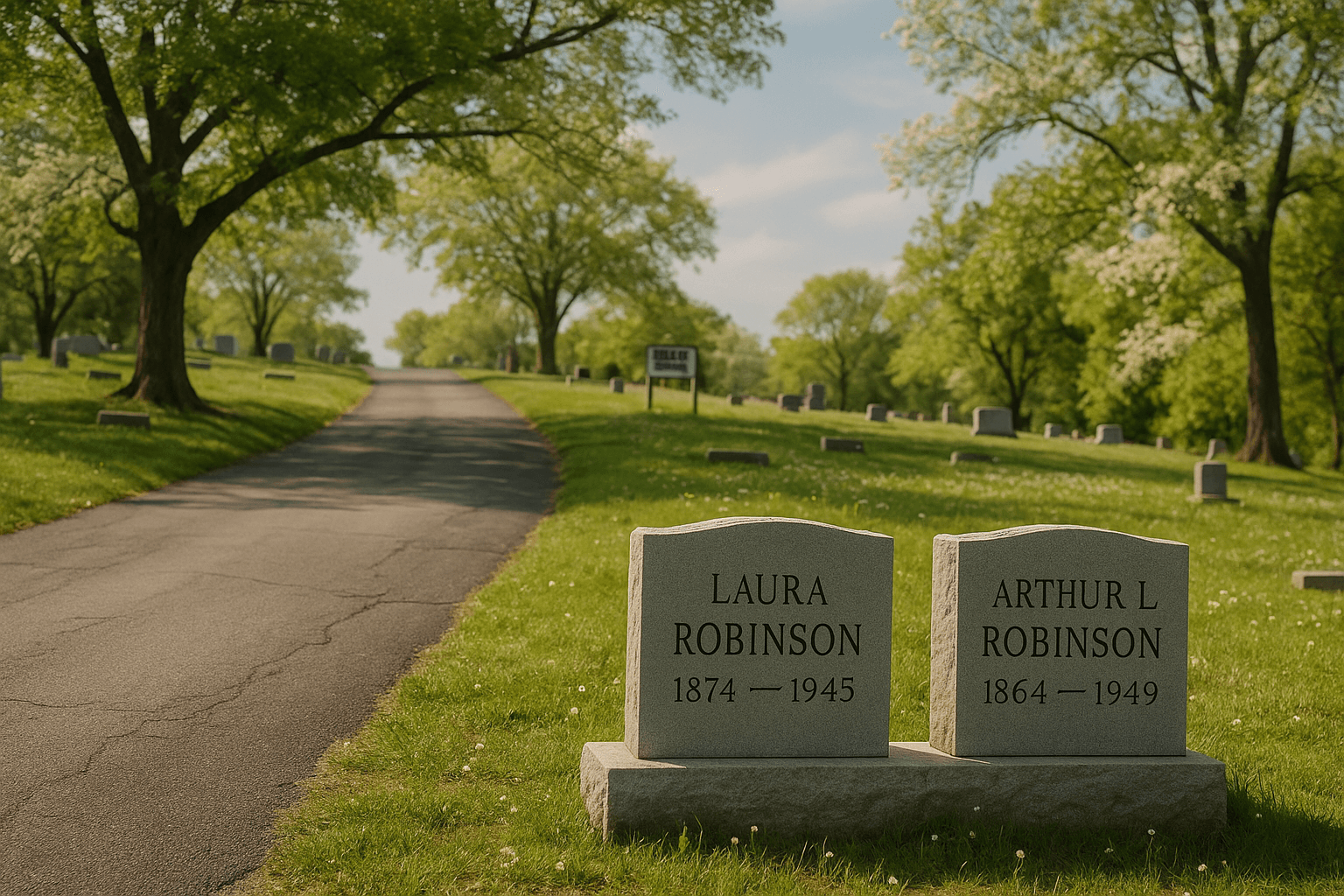
Laura died on September 3, 1945, at the age of 71, at their Clark Street home. Arthur Lee passed away on February 11, 1949, at the age of 84, from burn injuries sustained while attending to cemetery affairs. They are both laid to rest in the cemetery established for African-American descendants of enslaved people—named in honor of Arthur’s father, Edward Robinson. Robinson Cemetery stands as a testament to endurance through the shadows of slavery and the barriers of Jim Crow.